


In this article, we present a review of ocular conditions related to alcohol consumption. A search of the literature published from 1952 to March 2020 was performed. The https://ecosoberhouse.com/ titles and abstracts were screened and the eligible studies were selected. PubMed, ISI Web of Knowledge database, Scopus, Embase, and the Cochrane Library were searched.
Vascular Changes in the Eyes

Individuals with pre-existing health issues, such as liver damage, kidney disease, migraines, diabetes, or poor vision, may experience more severe impacts from alcohol on their eyesight. Short-term effects of alcohol can impair and alter vision, but excessive alcohol can greatly impact eyesight and vision, leading to a condition referred to as toxic amblyopia. Aside from alcohol’s effects on vision and eyes, it has been long known that excessive alcohol can have lasting detrimental effects on the body as a whole.
Alcohol and Cataract
During his active practice he served as the head of the Dept. of Microbiology in a diagnostic centre in India. On a three-year communications program in Germany, Mohan developed a keen interest in German Medicine (Homoeopathy), and other alternative systems of medicine. He now advocates treating different medical conditions without the use of traditional drugs.
Short-Term Effects of Alcohol on Eyes
Bloodshot eyes, dryness, or blurred and double vision are common side effects of drinking alcohol. However, there are long-term effects on eyesight from excessive alcohol consumption, potentially leading to permanent vision impairments, dry eyes, and optic neuropathy. However, there are several underlying health conditions that can cause blurry vision after drinking alcohol and may require further evaluation. One such condition is alcohol-induced optic neuropathy, which is damage to the optic nerve caused by alcohol toxicity. This can result in blurred vision, loss of color vision, and even blindness. It is important to note that alcohol-induced optic neuropathy is more commonly seen in chronic heavy drinkers rather than occasional drinkers.
One of the main causes of blurry vision after drinking alcohol is dehydration. Alcohol is a diuretic, meaning it causes the body to produce more urine. This can lead to dehydration, which can affect the eyes and lead to blurry vision.
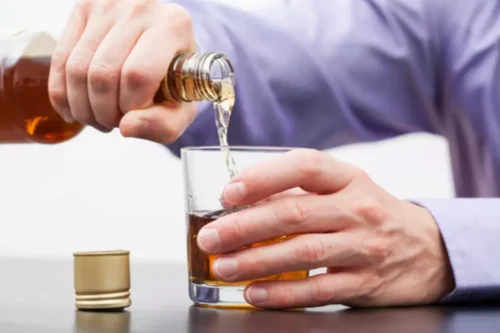
Alcohol has been shown to be a trigger for severe migraine headaches in some people. It is a common trigger for people who have migraines, and alcohol can also trigger a headache for some people who don’t otherwise have migraines or headaches. All research on the Coastal Detox website, including images, texts, and graphics, is strictly for informational purposes. Please do not ignore blurry vision after drinking alcohol information from your doctor because of something you saw on the Coastal Detox website. Our goal is to provide clients with the foundation necessary to sustain lasting and meaningful recovery. To accomplish this, our licensed counselors focus on identifying root issues, while engaging clients in an individualized treatment plan to promote steady growth and relapse prevention.

Is There a Link Between Alcohol and Dry Eyes?
If blurry vision persists for an extended period or occurs frequently after alcohol consumption, it is advisable to consult a healthcare professional. They can assess any underlying health conditions or provide guidance on managing the symptoms. Alcohol may also affect your eyesight in the long term, going beyond temporary symptoms to influencing your likelihood to develop serious eye conditions. The symptoms of dry eyes include a stinging or burning sensation, itchiness, redness, light sensitivity, and feeling like something is stuck in your eyes.
- A doctor can provide more details about what a person can do to address their vision issues.
- These effects may be more permanent and can include reduced vision, migraine headaches, sensitivity to light, and even blindness.
How Does Alcohol Impact Your Eyes?
If you regularly experience blurry vision after drinking alcohol, it is important to consult with a healthcare professional. They can help determine the underlying cause of your blurry vision and recommend appropriate treatment options. In some cases, simply reducing or eliminating alcohol consumption may be enough to alleviate the symptoms. In other cases, further evaluation and treatment may be necessary to address any underlying medical conditions. Each person’s tolerance to alcohol and its effects on the body can vary. Some individuals may be more susceptible to experiencing blurry vision after drinking alcohol, while others may not experience any visual disturbances at all.